

Against the mirrors of erasure and the betrayals of history, a lyrical sanctuary where the memory of the oppressed rises from the ashes of the cross
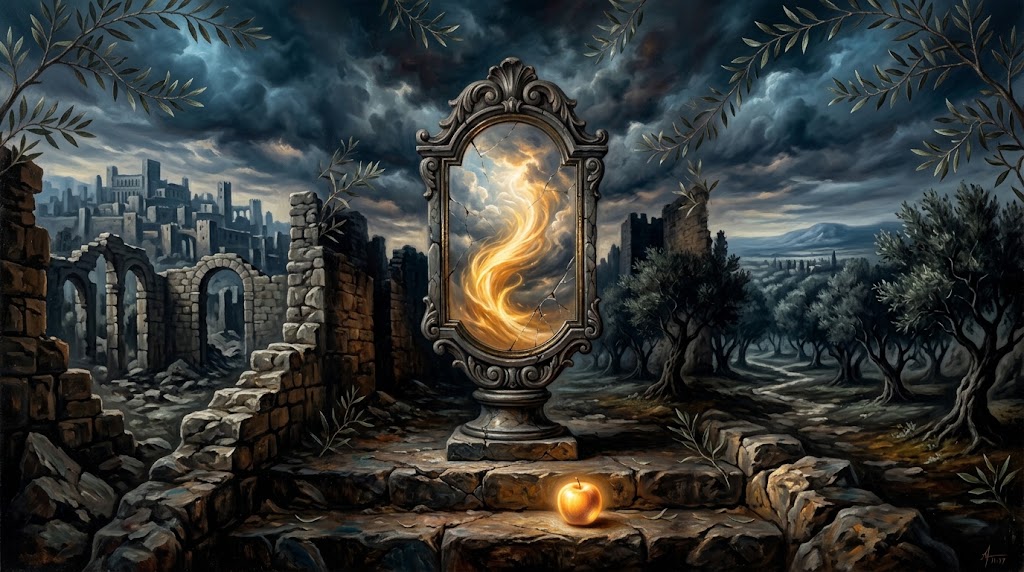
Do not forget your face
In the mirrors of others.
For features, like maps
In an enemy’s hand,
Carry the scent of the dead—
We did not see their limbs
Patrolling the walls in the lives of the narrators.
Set a stone between your words and theirs
So your voice may leave a trace
Revealing their hidden schemes.
For their shadows lean upon you,
Stretching over the wall,
As though the dead themselves
Had watched them pace
Through the chambers of strangers
Just to stay alive.
With the quick wit of a sparrow
Caught between a hunter’s fingers,
With the body whose very limbs
Are bewitched by it
With the serpent contemplating its sin
On the apple of vision,
With the remnant of regret
That bleeds along the edges of your day,
With what tomorrow inherits
From the lines of your hands,
With the pain
Before which tyrants’ foreheads
Have bowed.
Find your final turning glance
In their mirrors,
Then return
With the hollow ringing of its defeat
To the bells
Of the linage’s rams.
Your wrists upon the cross
May haunt them
If they see you rise
From among the graves.
And in their narratives,
Your standing among them,
Between the stones of counsel,
May take shape
Like wind
On the stairways of paradise—
Higher
Than their betrayal
Of your salt
On the road to resurrection.
It is not your voice
That speaks
So they may see your eyes
Descend from the cross
To gather the scattered limbs
Of your shadow.
Not your voice—
Only the ache
Of remembering.
Mary waited for you alone
In the stories
Told by sinners.
These councels are inspired by the advice of his mother, which he wrote under the title “The Ten Counsels of Fawziya Al-Hassan
Translated by Najwa Juma
Abdulla Issa
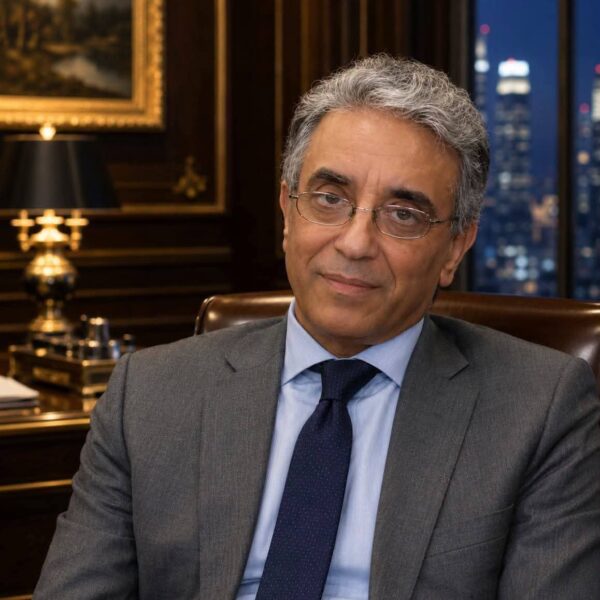
Poeta natural da Palestina, filho de uma família que buscou refúgio na Síria após a ocupação da Palestina em 1948. Ganhou o Prêmio de Poesia em 1983 e foi considerado um dos principais símbolos de renovação na poesia árabe contemporânea durante a década de 1980. Formado no Instituto de Literatura Maxim Gorky, obteve um doutorado em Literatura pelo Instituto de Literaturas Asiáticas e Africanas da Universidade Estatal de Moscou em 2000. Recebeu inúmeros títulos honorários, entre os quais se destacam ‘O Poeta da Palestina no Exílio’ e ‘A Voz Poética da Palestina’. E muitos prêmios árabes e internacionais, dentre os quais: Personalidade do Ano no Diálogo de Culturas e Civilizações – Fundo Mundial de Literatura (2014), Medalha de Mérito em Cultura, Ciência e Artes (Nível Inovação) – concedida pelo Presidente Palestino Mahmoud Abbas (2015) - Prêmio Pena de Ouro (2019), Prêmio Internacional da Palestina de Literatura – Poesia (2024). Publicou inúmeras coletâneas de poesia, incluindo: Pessoas Mortas Preparando o Funeral, A Tinta do Primeiro Céu, A Ressurreição dos Muros . Entre suas obras de crítica, destacam-se Critical Vision e Word and Spirit in Contemporary Poetry. Também escreveu para o teatro, notadamente The Kingdom of Demons.
- Entre dois rios - 25 de setembro de 2026
- The third counsel - 20 de agosto de 2026
- The dance of the naked - 13 de março de 2026



Poeta natural da Palestina, filho de uma família que buscou refúgio na Síria após a ocupação da Palestina em 1948. Ganhou o Prêmio de Poesia em 1983 e foi considerado um dos principais símbolos de renovação na poesia árabe contemporânea durante a década de 1980. Formado no Instituto de Literatura Maxim Gorky, obteve um doutorado em Literatura pelo Instituto de Literaturas Asiáticas e Africanas da Universidade Estatal de Moscou em 2000. Recebeu inúmeros títulos honorários, entre os quais se destacam ‘O Poeta da Palestina no Exílio’ e ‘A Voz Poética da Palestina’. E muitos prêmios árabes e internacionais, dentre os quais: Personalidade do Ano no Diálogo de Culturas e Civilizações – Fundo Mundial de Literatura (2014), Medalha de Mérito em Cultura, Ciência e Artes (Nível Inovação) – concedida pelo Presidente Palestino Mahmoud Abbas (2015) – Prêmio Pena de Ouro (2019), Prêmio Internacional da Palestina de Literatura – Poesia (2024). Publicou inúmeras coletâneas de poesia, incluindo: Pessoas Mortas Preparando o Funeral, A Tinta do Primeiro Céu, A Ressurreição dos Muros . Entre suas obras de crítica, destacam-se Critical Vision e Word and Spirit in Contemporary Poetry. Também escreveu para o teatro, notadamente The Kingdom of Demons.