

Abdulla Issa: Poem ‘Strolling in the gardens of the dead’

The postman did not care
for the letters left behind,
in mailboxes
hardened by telegrams bearing the obituaries of the ancestors,
and he found no trace of the addresses
that vanished with the lives of their residents
beneath the rubble of neglected houses.
As if the last October of all the months
Was whipping us
from between our legs toward the Wall of Resurrection,
drawing the dead out
of the ancient scroll
Believing what they foretold,
heralding its ruin in the margins of ancient myths,
and among the gerbils that dug up the graves of the dead.
It makes yarrow sprout beneath the fingernails
of corpses that were once soldier—
rained fire and darkness upon us.
I saw a woman who wished to draw her child back into her womb;
Even the graves are unsafe, she screams.
I saw a child who could not find
the shadow of his own arms
cast upon his brother’s shoulders
in their last embrace;
as if the death of light in his eyes
were like another shell
colliding with your entire head.
I saw a young woman mourning her life before the cameras:
This is my beloved
They brought him back in a body bag
I don’t believe what the dead recount,
says the history teacher,
For geography , there is use in your remaining logged
in longing for yourself-
there-
where you lay a posthumous feast for the family’s slain
And you chase the darkness,
In pursuit of those
Who once lurked around our white shadows,
Within the scrolls.
Do not bury the remains of the oleander at the edge that lake,
Do not mourn your own dying before you wore the crown of thorns,
Waiting for the resurrection on the road to the sky.
A nun says to a soldier she saw the devil’s index finger on his trigger:
I am no longer hungry or completely afraid,
I don’t want a warm loaf of bread or a glass of cold water.
No refuge or candle
But only a grave,
And let it be communal ,
Shared with the sparrows who have dreamed of
Trees, rivers that embrace us,
Forests that pray for us on the mountains,
Cave explorers whose lineages became heritage of our first drawings,
And a people, caught between two alters, cursing their killer.
Abdulla Issa
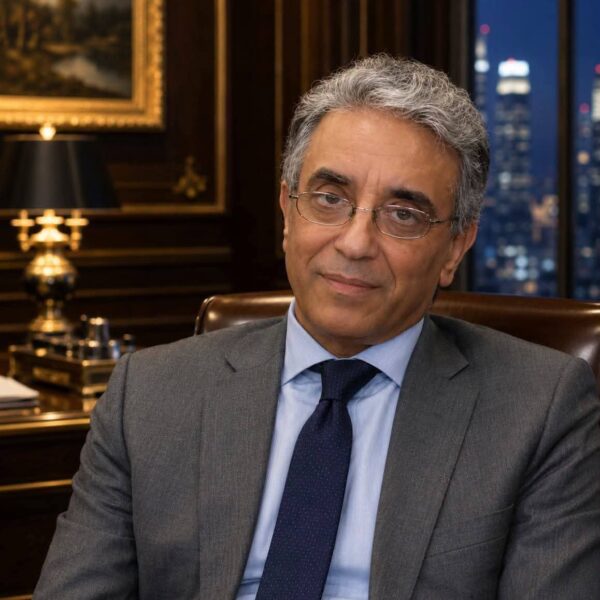
Poeta natural da Palestina, filho de uma família que buscou refúgio na Síria após a ocupação da Palestina em 1948. Ganhou o Prêmio de Poesia em 1983 e foi considerado um dos principais símbolos de renovação na poesia árabe contemporânea durante a década de 1980. Formado no Instituto de Literatura Maxim Gorky, obteve um doutorado em Literatura pelo Instituto de Literaturas Asiáticas e Africanas da Universidade Estatal de Moscou em 2000. Recebeu inúmeros títulos honorários, entre os quais se destacam ‘O Poeta da Palestina no Exílio’ e ‘A Voz Poética da Palestina’. E muitos prêmios árabes e internacionais, dentre os quais: Personalidade do Ano no Diálogo de Culturas e Civilizações – Fundo Mundial de Literatura (2014), Medalha de Mérito em Cultura, Ciência e Artes (Nível Inovação) – concedida pelo Presidente Palestino Mahmoud Abbas (2015) - Prêmio Pena de Ouro (2019), Prêmio Internacional da Palestina de Literatura – Poesia (2024). Publicou inúmeras coletâneas de poesia, incluindo: Pessoas Mortas Preparando o Funeral, A Tinta do Primeiro Céu, A Ressurreição dos Muros . Entre suas obras de crítica, destacam-se Critical Vision e Word and Spirit in Contemporary Poetry. Também escreveu para o teatro, notadamente The Kingdom of Demons.
- Entre dois rios - 25 de setembro de 2026
- The third counsel - 20 de agosto de 2026
- The dance of the naked - 13 de março de 2026



Poeta natural da Palestina, filho de uma família que buscou refúgio na Síria após a ocupação da Palestina em 1948. Ganhou o Prêmio de Poesia em 1983 e foi considerado um dos principais símbolos de renovação na poesia árabe contemporânea durante a década de 1980. Formado no Instituto de Literatura Maxim Gorky, obteve um doutorado em Literatura pelo Instituto de Literaturas Asiáticas e Africanas da Universidade Estatal de Moscou em 2000. Recebeu inúmeros títulos honorários, entre os quais se destacam ‘O Poeta da Palestina no Exílio’ e ‘A Voz Poética da Palestina’. E muitos prêmios árabes e internacionais, dentre os quais: Personalidade do Ano no Diálogo de Culturas e Civilizações – Fundo Mundial de Literatura (2014), Medalha de Mérito em Cultura, Ciência e Artes (Nível Inovação) – concedida pelo Presidente Palestino Mahmoud Abbas (2015) – Prêmio Pena de Ouro (2019), Prêmio Internacional da Palestina de Literatura – Poesia (2024). Publicou inúmeras coletâneas de poesia, incluindo: Pessoas Mortas Preparando o Funeral, A Tinta do Primeiro Céu, A Ressurreição dos Muros . Entre suas obras de crítica, destacam-se Critical Vision e Word and Spirit in Contemporary Poetry. Também escreveu para o teatro, notadamente The Kingdom of Demons.
This is a topic that is close to my heart… Take care!
Where are your contact details though? xnxx